Gliwice Film Club “Wrota”

We don’t just watch films.We make them — together.

Planned film therapy is therapy that happens on a film set. People with and without disabilities make a film together, from the first idea to the premiere — out in the field, shoulder to shoulder. The journey matters as much as the finished shot.

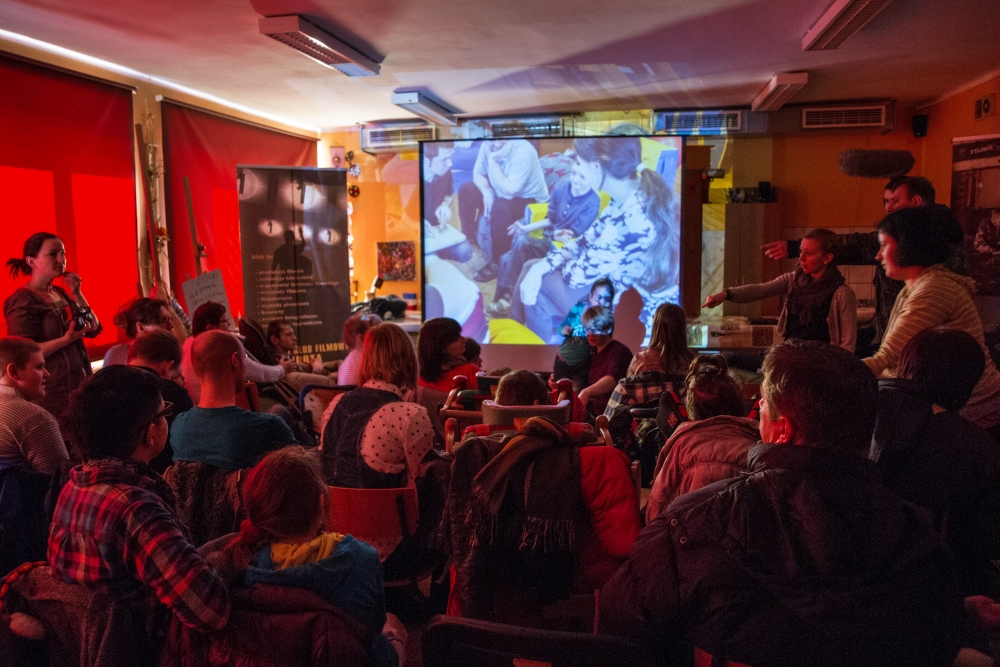
Planned Film Therapy workshop on location Planned Film Therapy workshop on location
Frame 01
Our Starting Point
The biggest obstacle for a person with a disability is often an able-bodied person — because it’s they who decide in advance what’s supposedly impossible.

That’s why here, we try first. If something doesn’t work, we look for a solution instead of assuming it can’t be done. The film set is a place where that boundary shifts a little further every day. — Marcin Kondraciuk, creator of the method

First time here? Start here

What Is Planned Film Therapy

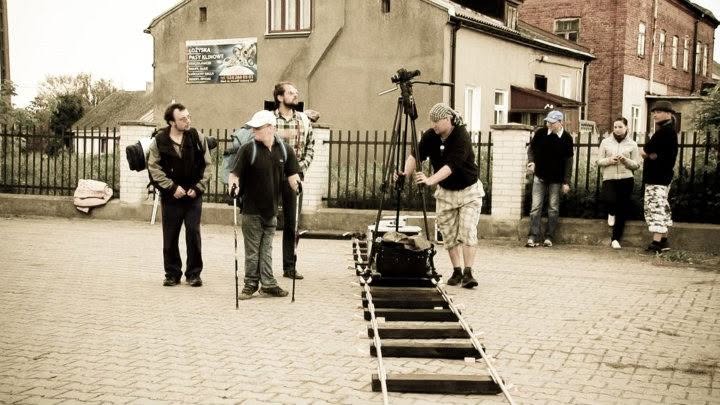
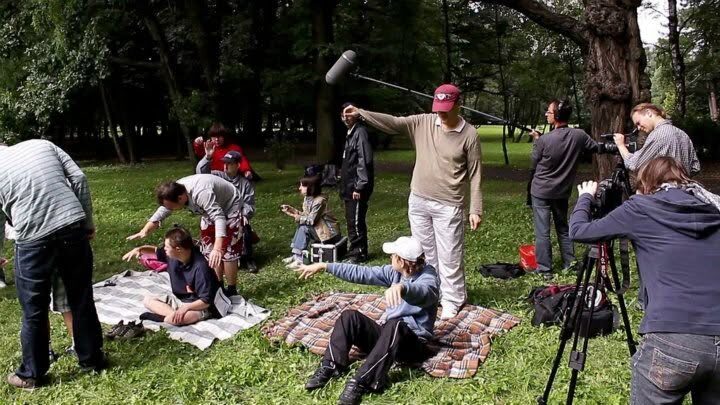
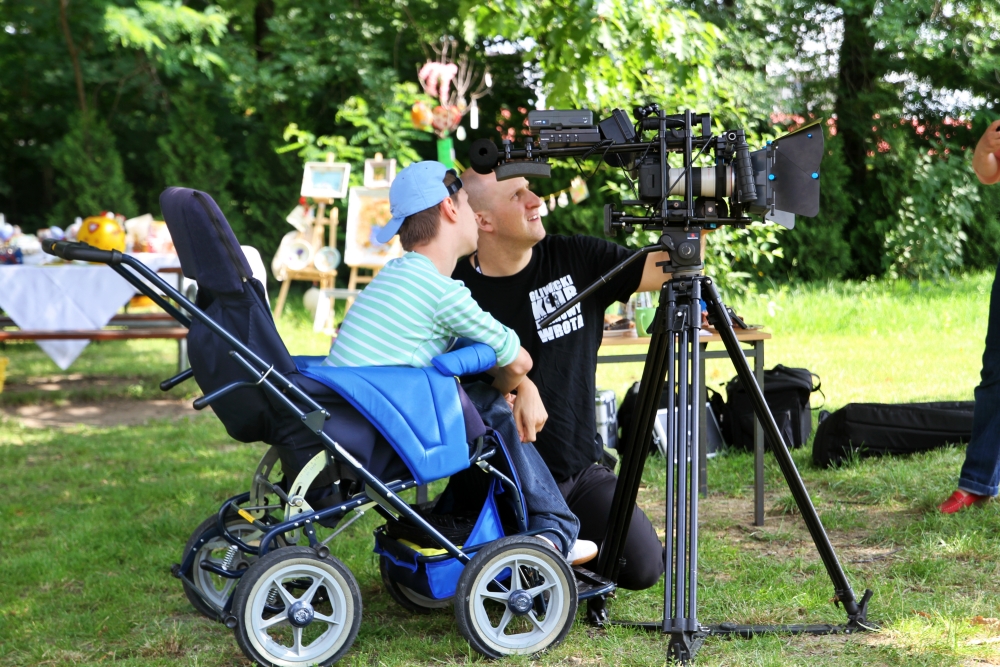
Picture a real film set: a camera, a boom mic, a clapperboard, a crew running between takes. Now picture that crew made up of people with disabilities — and it’s them acting, filming, recording sound and editing.

Participants with the camera on the film set
Participants with the camera

Put simply: planned film therapy is therapy that takes place on a film set. It isn’t about watching films on difficult topics and talking about them. It’s about making a film together — from the first idea, through filming on location, all the way to a premiere in front of an audience.

Why film, specifically? Because it’s work where there’s a place for everyone. One person acts in front of the camera, another sets the lighting, someone else looks after props, records sound, or prompts lines. Everyone has a real task that the others depend on. That’s how the feeling that I am needed is born.

We call it “planned” because the therapy happens right there on the film set — in real motion, outdoors, beyond the walls of a care centre. A film set can be tiring and unpredictable, but it’s exactly those conditions that teach patience, cooperation, self-control and responsibility — naturally, without artificial exercises.

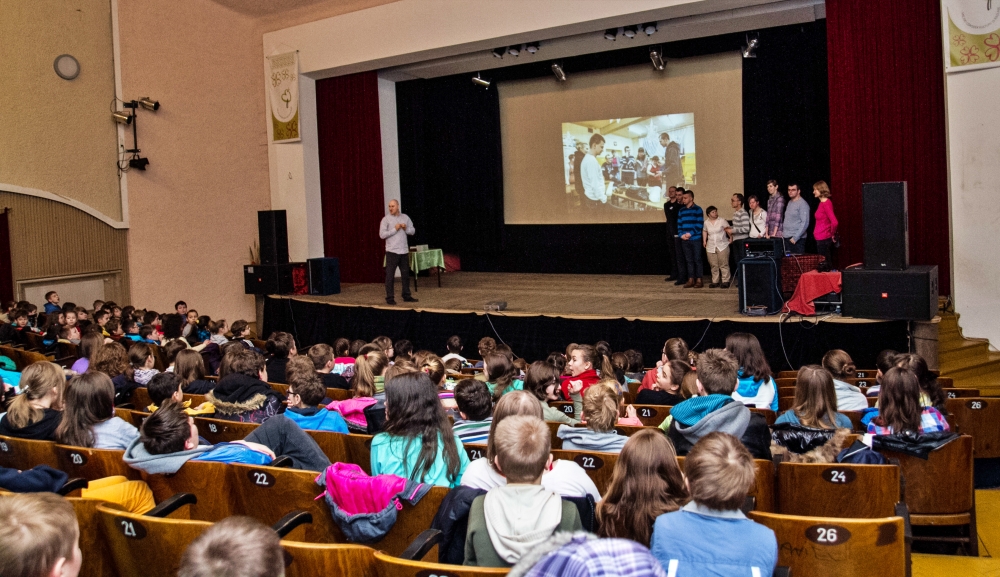
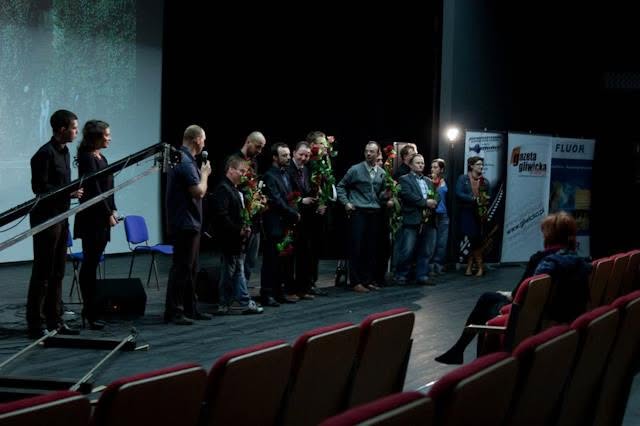
The creators on stage during a film screening
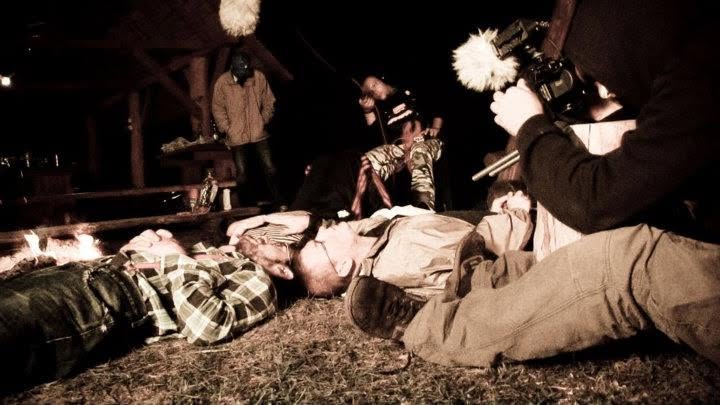
A scene filmed on location

For us, the finished film isn’t the most important thing. What matters most is the journey — what a person experiences and learns along the way. The finished film is beautiful proof of that, but it’s the process that changes people.

One more thing: this change runs both ways. Able-bodied people who work alongside our participants change too — they re-examine their own fears and assumptions. Often it’s they who discover how much is possible once you stop assuming it “can’t be done”.

“All of planned film therapy really fits in one sentence: we let people make a real film. The rest happens by itself.”

A Simple Idea

It started with one question I heard during occupational therapy workshops: “when do we get to be in a film?”. I didn’t have a ready-made method or a handbook back then — I had a camera, a crew of enthusiasts, and the conviction that film is work where there’s room for everyone. That’s how planned film therapy was born.

I call it “planned” because the whole therapy happens on a film set. Not in a room, not at a table — in real motion, out in the field, usually outdoors. It’s a simple shift, but it changes everything: instead of watching the world, we go out into it and film it.

We Work as a Team

The most important word is “together”. On set, no one is alone and no one is unnecessary. One person acts, another holds the mic, someone sets the lighting, someone looks after props, someone prompts lines. The tasks interlock — and that’s exactly why responsibility is born: if I don’t do my part, I hold up the whole crew.

People with and without disabilities work side by side here — also after hours, on the road, around the campfire. There’s no divide between “therapists” and “patients”. There’s a film crew with a shared goal.

How We Approach It

I have one iron rule: show, guide, and step back. I don’t do things for people, and I don’t hover. I show how to do something, I assist — and then I step away to leave room for independence. We repeat a task as many times as it takes until it works. No special treatment, because real trust is built through real tasks.

I don’t ask what someone’s degree of disability is — I ask what they want to do. A task shown the right way can unlock abilities nobody knew about before. Often not even the person themself.

What It Gives

Almost everything we do follows from this simple setup. The participant stops being a spectator of their own life and becomes a co-creator. They learn patience, coordination, memory and emotional control — not through exercises, but through real work whose result can later be shown on screen.

At the end comes the premiere. The participant walks on stage as an author — and often, for the first time, hears applause not because they “managed despite everything”, but because they made something genuinely good. For many families, it’s a moment they never forget.

And one more thing, the most important to me: this change runs both ways. The participant changes, but so does the able-bodied world around them. Because the biggest barrier — the belief that “it can’t be done” — is usually one we able-bodied people carry in our own heads.

— Marcin Kondraciuk, creator of planned film therapy
Four Pillars of the Method

Therapy That Leaves the Building

Traditional sessions are often confined to four walls of a care centre. We flip that around: instead of watching a film, participants make one — in a real crew, out in the field, with full responsibility for the result.

01

The Set as a Therapeutic Space

Dynamic, changeable, unpredictable — it teaches you to handle change, coordination, memory and self-control in a natural way, without artificial exercises.

02

Every Role Is Yours

Actor, camera operator, sound engineer, set designer, editor. We match the scope to each person’s ability, but the emphasis is on independence — a task is repeated until it succeeds.

03

Multi-Art Therapy

We work simultaneously through visual art, photography, music, choreography, set design and acting. Everyone finds a language in which they can express themselves.

04

Two-Way Rehabilitation

It isn’t only the person with a disability who changes. Their able-bodied surroundings change too, re-examining their own fears and stereotypes. We learn from each other.

The Journey, Not Just the Result

How the Process Works

What matters most isn’t the finished piece, but what the participant experiences along the way. We guide every project through a series of stages — like frames on a strip of film.

01

Trust and Familiarization

We start with a conversation. We get to know each other, explain the goal, get comfortable with the space, and break through the fear of the unknown. Without trust, nothing moves forward.

02

Workshops — What Does What

This is when you can get close to the equipment and find out it won’t bite or topple over when you start using it. We learn what each thing is for and how it shapes the whole.

03

Drills — Handing the Set to the Crew

We run through scenarios that require using every piece of gear: lights, clapperboard, sound and camera. This is when the crew starts speaking the language of film — and becomes a team.

04

On the Film Set

Working as a crew, out in the field. Participants act and operate the equipment, taking responsibility for tasks. We show, we guide — then we step back, leaving room for independence.

05

Reflection

We sit down and think about what went well and what’s worth changing. We drink tea and eat something good together — it has to feel like the movies.

06

Editing

After a rough cut, we talk through individual scenes and what a change of pace does to them. We show that the shoot is one thing, but the art continues.

07

Post-Production — Film Magic

Voice recordings, narration, music. This is where a sense of continuity is born: “what we were doing is turning into a real film”.

08

Premiere

A screening in front of an audience — a moment of recognition and a rite of passage. Participants walk on stage as full-fledged creators. It’s often the most powerful moment of the whole journey.

09

After the Premiere

It’s up to us whether we stay in this place or move forward.

2007
Year the method was born
0
Planned film therapy workshops
0
Viewers at workshop mini-film premieres
2007–2015
“Drzwi” (“Doors”) Film Festival
Forms of Work

What We Do

Feature Film

A Shared Feature Film

The fullest form of the method: the whole crew makes one film together — from idea, through location shooting, to premiere. This is how “The Road to Understanding” was made.

Workshops

Short Forms on Location

Multi-day workshops for small groups, each ending with its own film. We developed this format, among others, in the “Doors to Normality” project across municipalities of Upper Silesia.

Festival 2007–2015

“Drzwi” (“Doors”) Film Festival

Over nine editions (the last in 2015), it gave a stage to young creators with disabilities. It isn’t held today — we want to bring it back.

See It With Your Own Eyes

Films

The films themselves tell the story of the method best — from short workshop pieces to our feature film and the documentary made about its creation.

From Workshops and Sessions

Two Films — One Story

“The Road to Understanding” and “The Other Film”

These are two sides of the same story. “The Road to Understanding” is our feature film, made entirely by the participants. “The Other Film” is an independently produced documentary by Studio Wajda, built around the making of “The Road to Understanding”. One shows the result — the other shows the journey.

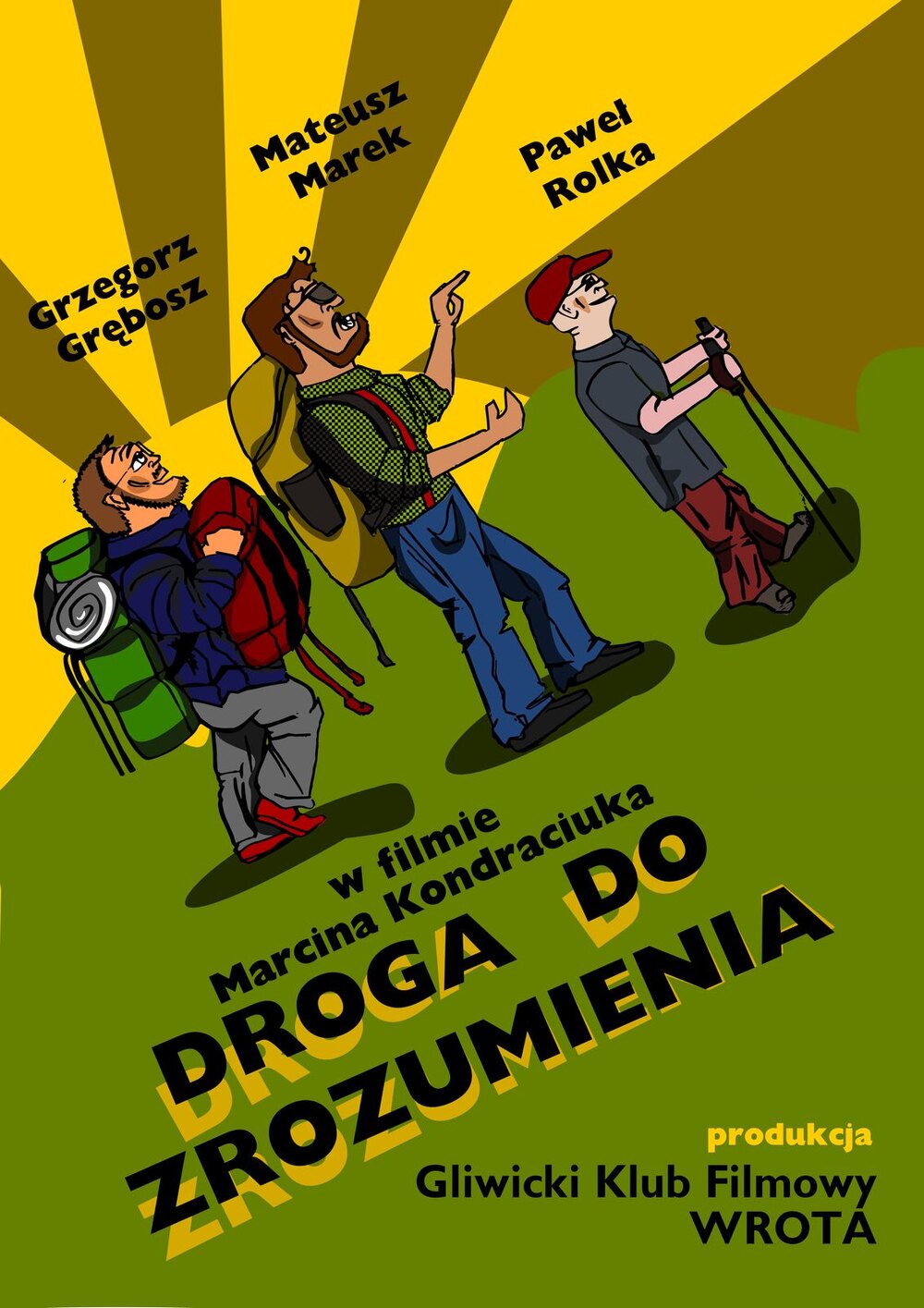
Poster for The Road to Understanding — Gliwice Film Club Wrota Feature

The Road to Understanding

Feature film · dir. Marcin Kondraciuk · Gliwice Film Club “Wrota”

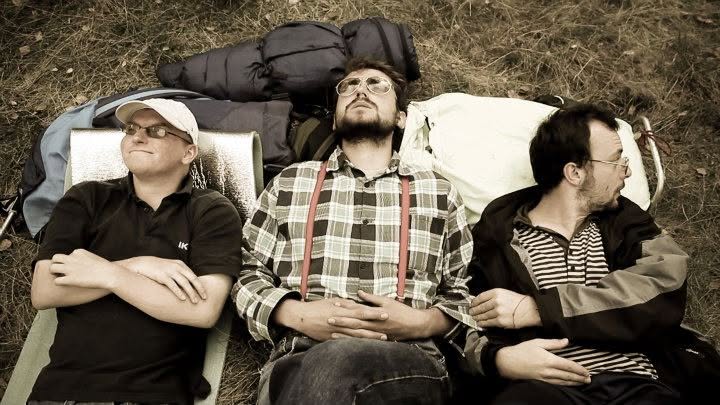
A fictional story about three friends with disabilities who set out on an adventure-filled journey to Radzanów. The whole film — from casting, through the shooting camp, to editing — was made by the participants’ own hands. It’s the fullest proof of what planned film therapy is.

  • Director Marcin Kondraciuk
  • Format feature film
  • Creators planned film therapy participants
  • Cast Grzegorz Grębosz, Mateusz Marek, Paweł Rolka
  • Filming on location, including near Radzanów
  • Premiere “Drzwi” Film Festival, Gliwice

How “The Road to Understanding” Was Made

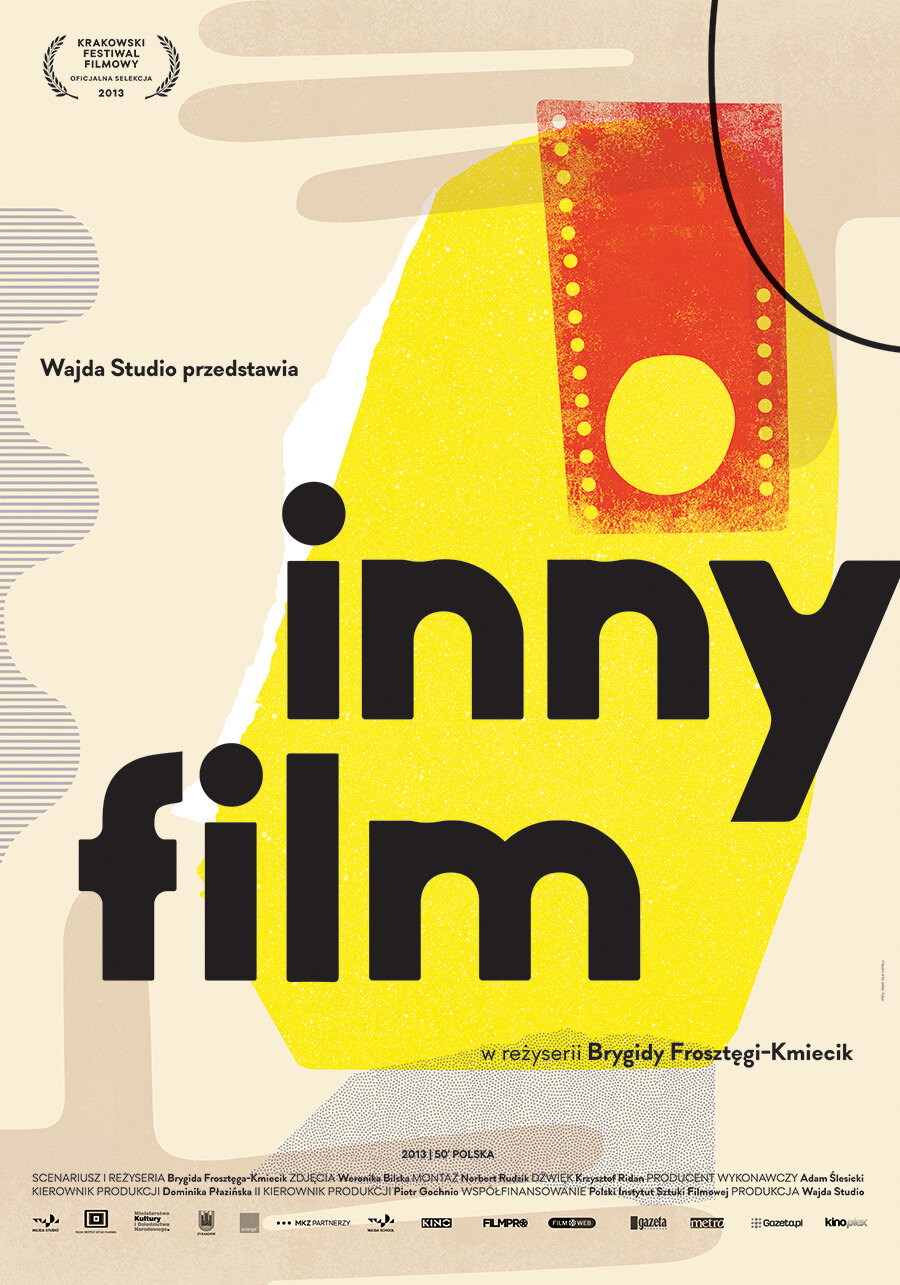
Poster for the documentary The Other Film — dir. Brygida Frosztęga-Kmiecik, Studio Wajda Documentary

The Other Film

Documentary · 54 min · 2013 · dir. Brygida Frosztęga-Kmiecik · prod. Studio Wajda

An independently produced documentary built around the making of “The Road to Understanding”. It’s a portrait of people with disabilities and a story about the power of cinema to break down barriers and let you into someone else’s world. An outside project, made by a crew from the Wajda School — and one of the most important voices speaking about our method.

  • Director and Screenplay Brygida Frosztęga-Kmiecik
  • Cinematography Weronika Bilska
  • Editing Norbert Rudzik
  • Sound Krzysztof Ridan
  • Production Studio Wajda · executive producer Adam Ślesicki
  • Distribution Krakow Film Foundation
  • Festivals Krakow Film Festival (2013–2014)
Brygida Frosztęga-Kmiecik with the subjects of her film
In Memoriam

Brygida Frosztęga-Kmiecik (1981–2014)

“The Other Film” was one of Brygida’s last major documentaries — which is why it also remains a tribute to her, for us. A director, screenwriter and reporter associated with TVP Katowice, and a graduate of Andrzej Wajda’s Master School of Film Directing. Her films focused on people and social issues.

She died tragically along with her husband and young son on 23 October 2014; she was posthumously awarded the Gold Cross of Merit. She left behind films that still speak in her name — and that helped tell the story of our work.

Stills from the Films

Beyond the Festival

Festival-Related Productions

Alongside the workshop films, we also made productions tied to the festival. Each features people with intellectual disabilities, with guest appearances from well-known creators — including CeZik (Cezary Nowak), a musician and YouTuber from Gliwice.

Stay Updated

“The Road to Understanding” on Facebook

Visit the film’s page
Others Have Already Said It

In the Media

Over the years, the press has written, television has talked, and websites have discussed planned film therapy. Click a clipping to enlarge it and browse through the rest. PDF materials will open in a new tab.

Materials from the archive of the Gliwice Film Club “Wrota”. Publication rights belong to their respective publishers.

A Brief History

Our Story

The method was born from a simple question one participant asked during a session: “when do we get to be in a film?”. Here are the key milestones of that journey.

2007

The Beginning

The International “Drzwi” Film Festival launches, alongside the first planned film therapy activities with occupational therapy workshop participants.

2009–2012

“The Road to Understanding”

Our feature film is made — from casting, through the shooting camp, to a gala premiere where the creators take the stage.

since 2013

“Doors to Normality”

We bring the method to further municipalities of Upper Silesia in workshop form — each group makes its own short film.

2015

Final Edition of the “Drzwi” Festival

After nine years, the festival holds its final edition. It remains one of our most important projects — and one we want to bring back.

today

Continuing an Interrupted Mission

We want to resume our sessions and filmmaking. This site is an invitation to help create the next chapter together.

An Outside Perspective
This therapy involves getting to know the art of film from the other side — making a film through every stage of production. While working, participants develop interests in visual art, photography, choreography, acting, music and set design, learning cooperation and a critical view of themselves.
description of the method by Anna Stankiewicz — from a thesis on the image of disability in Polish film, used with the author’s permission
It Wouldn’t Exist Without Them

The People of Film Therapy

In the years 2007–2015, when planned film therapy was thriving the most, many wonderful people built it and carried it forward. It’s thanks to their commitment that the method went out into the field and reached new towns.

Co-Creators and Crew

KMKrzysztof Mularczyk
MPMariusz Popielas
MKMaciej Koper
MZMateusz Zatynny
PJPrzemysław Jakóbczak
ŁJŁukasz Junkiert
BRBogdan Rolka
KPKrzysztof Płużek
Jan Żółtowski
Special Thanks

The Lads — Faces of Planned Film Therapy

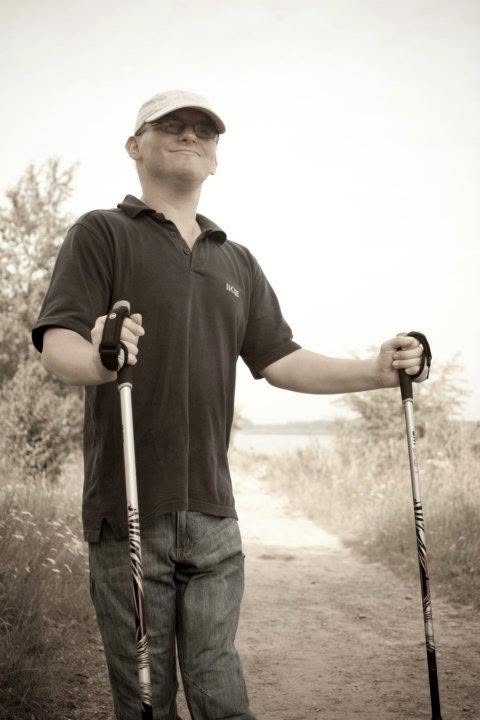
They are the faces and the benchmark of participation in planned film therapy — heroes on screen and the heart of our crew. Thank you.

Paweł Rolka
Paweł Rolka
Tomasz Frączak
Tomasz Frączak
Daniel Mandrela
Daniel Mandrela
Gallery

On Set and Behind the Scenes

Our work through a photographer’s eye

Continuing an Interrupted Mission

Join Us

Want to run film sessions with your group? Get in touch with us. And if you have a different idea, don’t hesitate even more.

ParticipantsFamiliesTherapists and centresLocal governmentsVolunteersPartners and sponsors

The button will open your email client with a ready-made message to the Club.

Recommended Also worth seeing

Filmoterapia.pl

A nationwide Polish portal on film therapy — using cinema as a starting point for conversations about emotions and difficult social topics. Reviews, psychology articles, and the recurring “Film Therapy with a Purpose” screenings.

Visit filmoterapia.pl → Source: filmoterapia.pl